
Introduction:
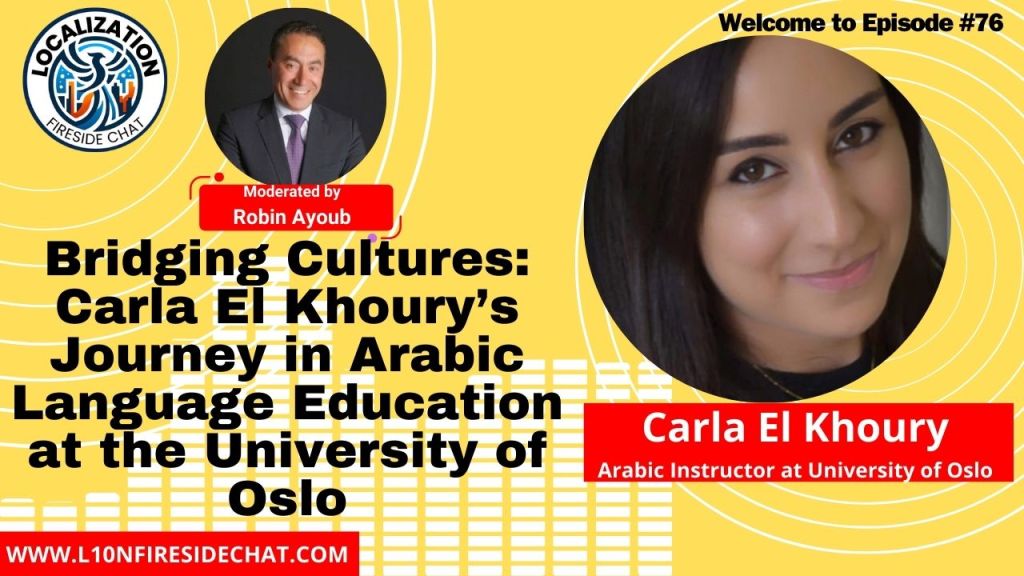
In episode 76 of the Localization Fireside Chat, host Robin Ayub engages in a fascinating conversation with Carla El Khoury, a lecturer and coordinator of the Arabic program at the University of Oslo. The discussion revolves around Arabic education in the Western world, the challenges of teaching Arabic, the role of artificial intelligence (AI) in language learning, and the importance of cultural immersion. This blog post provides a summary of their insightful conversation.
Teaching Arabic in Norway:
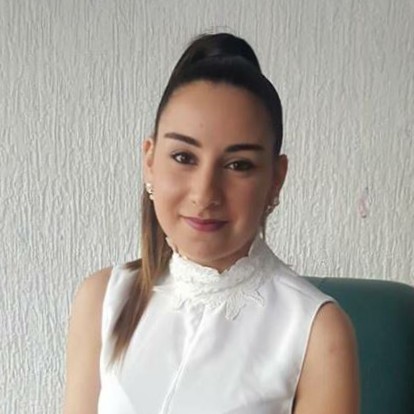
Carla shares her journey from Lebanon to the United States and eventually to Norway, where she currently teaches Arabic. At the University of Oslo, the Arabic program focuses on teaching Arabic from scratch, starting with the alphabet and pronunciation. The program caters to a diverse range of students, including heritage learners, students of Middle Eastern studies, and native speakers. Carla emphasizes the importance of motivating students and adapting teaching methods to suit different cultural backgrounds.
Challenges in Learning Arabic:
Learning Arabic poses unique challenges due to the language’s complexity and the presence of multiple dialects. Carla highlights the concept of “diglossia,” where students learn both Modern Standard Arabic (MSA) and dialects simultaneously. This can sometimes lead to confusion, especially when using AI tools like Chat GPT, which tend to prioritize formal Arabic over dialects. Additionally, the lack of differentiation between language proficiency levels in AI tools poses a challenge for beginners. Watch the full episode here: https://youtu.be/vLkrRHZiEoY
The Role of AI in Language Teaching:
The conversation delves into the growing influence of AI in language education. Carla discusses the use of Chat GPT as a teaching tool, enabling students to practice their language skills, generate exercises, and engage in conversations. However, she notes that AI is still in its early stages and requires further development to better understand language proficiency levels and differentiate between dialects and formal Arabic. Carla believes that AI can be a valuable teaching assistant, but it is not yet capable of replacing human instructors. Watch the full episode here: https://youtu.be/vLkrRHZiEoY
Cultural Immersion and Language Learning:
Carla emphasizes the importance of cultural immersion in language learning. She shares her experiences with study abroad programs, where students spend a semester in Arabic-speaking countries to gain firsthand exposure to the language and culture. Immersion helps students understand the nuances of the language, such as hospitality and social interactions, which cannot be fully grasped in a classroom setting. Carla also mentions a project at the University of Oslo, where students write about their experiences learning Arabic and the cultural insights they have gained. Watch the full episode here: https://youtu.be/vLkrRHZiEoY
Misconceptions and Understanding of Arabic Culture:
The conversation touches upon the misconceptions and understanding of Arabic culture. Carla highlights the need to teach Arabic culture alongside the language, as it helps students develop intercultural confidence and dispel stereotypes. She mentions that students’ perspectives often shift after experiencing the culture firsthand, moving away from media-driven perceptions. Carla believes that bridging cultural gaps through language education is crucial for fostering understanding and appreciation. Watch the full episode here: https://youtu.be/vLkrRHZiEoY
AI in Arabic Education in Canada:
Robin and Carla briefly discuss the state of Arabic education in Canada. While Arabic is mainly taught as part of Islamic studies, there is a growing interest in expanding Arabic language programs. Carla expresses her willingness to explore opportunities in Canada and collaborate with Canadian universities to enhance Arabic language education. Watch the full episode here: https://youtu.be/vLkrRHZiEoY
Conclusion:
The conversation with Carla El Khoury sheds light on the challenges and opportunities in Arabic language education, the integration of AI in language teaching, and the significance of cultural immersion. As AI continues to evolve, it holds great potential to support language learning, but human instructors remain essential in providing a comprehensive and immersive learning experience. By fostering cultural understanding and embracing new teaching approaches, educators can empower students to become proficient in Arabic and appreciate its rich cultural heritage. Watch the full episode here: https://youtu.be/vLkrRHZiEoY
Connect with us:
🌐 Visit our website: http://www.L10NFiresidechat.com
📱 Join our WhatsApp community: https://chat.whatsapp.com/BYF3cMEVl8U7gKFFqttyMe
🔗 Connect with us on LinkedIn: https://www.linkedin.com/company/localization-fireside-chat/ Robin Ayoub: https://www.linkedin.com/in/robinayoub/
**Subscribe for more episodes:www.youtube.com/@L10NFiresideChat Thank you for tuning in!
Stay connected for more episodes and insightful discussions on the Localization Fireside Chat!
On a separate note, have you seen the blood moon rising this past weekend Saturday the 20th of July:


 Robin Ayoub
Leave a comment