

In the digital age, the allure of free, unsupervised AI translation tools is undeniable. These tools offer instant, effortless translation, seemingly the perfect solution for individuals and businesses seeking to communicate across languages. But as convenient as they may be, these tools are deeply flawed—and, at their core, they risk perpetuating racism and cultural erasure by design.
Relying only on unsupervised AI translation is not just a technological shortcut; it’s a dangerous choice that reinforces systemic biases and ignores the cultural integrity of diverse languages. The very convenience that makes these tools attractive comes at the expense of cultural respect, accuracy, and fairness.
The Allure of Free Tools: A Convenient Path to Cultural Disrespect

Free AI translation tools are designed for easy access and immediate use, and their appeal is hard to resist. Whether you need to quickly translate a website, document, or conversation, these tools seem like an ideal solution, saving both time and money. However, this convenience masks a serious problem: they are inherently unsupervised, lacking Linguistic accuracy and cultural awareness, and human oversight necessary to produce translations that are respectful, accurate, and unbiased.
These AI systems, trained on large data sets without a nuanced understanding of the social and cultural context, often miss the mark. Unilingual users, especially, are left with no way to judge the quality or appropriateness of the output. When these flawed translations are shared or used, they become a vehicle for spreading misinformation and cultural insensitivity, effectively marginalizing the very communities they attempt to represent.
Racist by Design: How AI Tools Without Human Supervision Reinforce Cultural Erasure
The flaws in unsupervised AI translation go beyond simple mistakes—they are embedded into the system’s design. These tools operate without the ability to understand cultural nuances, idiomatic expressions, or the diverse ways in which language reflects identity. By prioritizing speed and convenience over accuracy, unsupervised AI perpetuates cultural erasure. Languages that don’t conform to dominant linguistic patterns are often mistranslated, simplified, or ignored, reinforcing a dangerous hierarchy where certain cultures are valued over others.
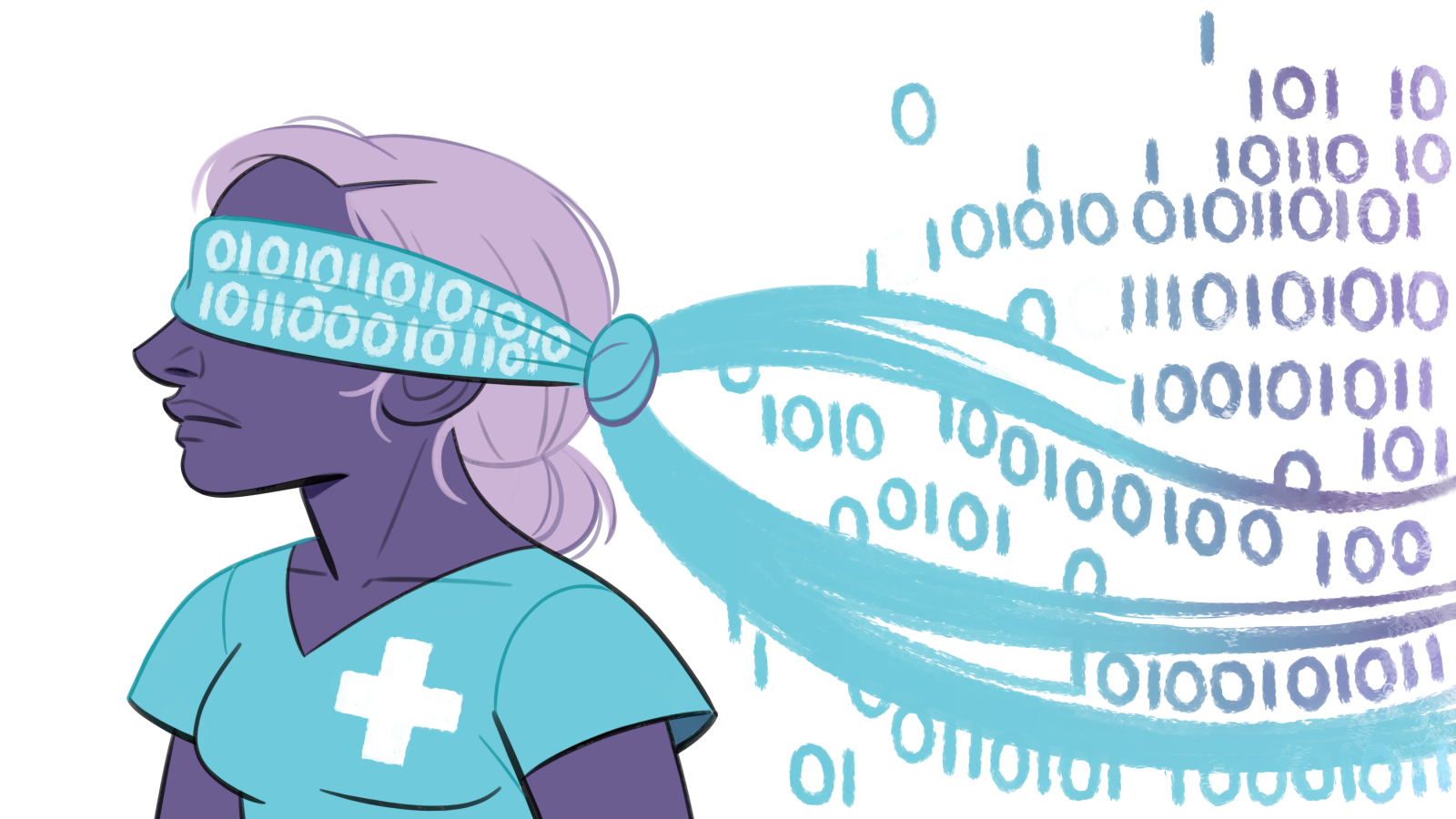
This cultural erasure can have devastating consequences. Indigenous languages, minority dialects, and culturally significant terms are stripped of their meaning, leading to a form of digital colonization where only the most dominant, widely used languages and perspectives are given attention. Free AI tools, in their design, are blind to the complex dynamics of language diversity, and this blindness translates directly into cultural insensitivity and, ultimately, racism.
The Intersection of Racism, Gender Bias, and Inequality
The dangers of unsupervised AI translation are not limited to cultural racism. These tools also perpetuate gender biases by failing to account for the social context of language. AI translations often default to patriarchal norms, reflecting gendered assumptions that reinforce stereotypes and contribute to gender inequality. For example, in many languages, gender-specific pronouns or words have complex meanings that unsupervised AI struggles to handle. This results in translations that can misrepresent women, gender-nonconforming individuals, and marginalized groups, further deepening social inequalities.
The root of the problem is simple: unsupervised AI lacks the ethical and cultural inout and framework necessary to produce translations that reflect the values of equality, inclusivity, and respect. By opting for convenience, we are reinforcing systems that marginalize people based on their culture, gender, and identity—proving that these tools are indeed racist by design.
The Impact on Linguistic and Cultural Minorities
Unsupervised AI translation not only risks cultural erasure but also contributes to the continued marginalization of linguistic minorities. For speakers of indigenous languages or those from minority communities, mistranslations can feel like a continuation of colonial oppression, where their language—and by extension, their culture—becomes trivialized or distorted by technology that fails to understand it.
This form of linguistic racism is particularly dangerous because it reinforces the notion that minority languages are less valuable or less deserving of accurate representation. By prioritizing the dominant language’s framework, AI translation tools silence diverse voices and continue the legacy of linguistic inequality.
Security and Data Integrity: The Hidden Risks of Free AI
Beyond the cultural and ethical implications, there are significant security and data integrity risks tied to free AI translation tools. These tools often collect user data, which can include sensitive or confidential information, such as legal, financial, or medical content. Without proper encryption or oversight, this data can be vulnerable to breaches or exploitation, leading to privacy violations and potential misuse.
Businesses and organizations relying on free AI tools are not only risking translation inaccuracies but also compromising their own data security. In sectors where trust, confidentiality, and data integrity are paramount, the convenience of free AI could lead to costly security breaches, tarnishing reputations and putting sensitive information at risk.
Why Supervised AI Matters: Cultural Respect and Accountability
The solution lies in rejecting free, unsupervised AI tools in favor of supervised, culturally aware AI systems. These systems, designed with human oversight and ethical frameworks, are capable of producing translations that respect cultural contexts, avoid biases, and ensure linguistic integrity.
Supervised AI can adapt to regional dialects, cultural norms, and the complexities of language, ensuring that translations are accurate, respectful, and aligned with modern principles of equality. This level of customization with effectiveness is essential if we are to prevent the spread of cultural erasure and racism in the digital age.
The True Cost of Convenience
The convenience of free AI translation tools comes at a high cost. While they save time and money in the short term, they contribute to cultural disrespect, racial insensitivity, gender bias, data insecurity, and the ongoing marginalization of minority languages. When we rely on these tools without critical oversight, we allow technology to perpetuate the very systems of inequality and racism that we claim to be fighting.
Conclusion: If we are serious about creating a world where equality and cultural respect are the norm, we must move beyond the allure of convenience. The path forward is clear: invest in supervised AI solutions that honor the diversity and complexity of human language, and reject the racism, erasure, and bias that unsupervised AI tools perpetuate by design.

Until next time this is Robin Ayoub Signing off.
 Robin Ayoub
Leave a comment