
Transcript of Episode 90:
Robin Ayoub:
Good morning, everyone! This is Robin Ayoub with the Localization Fireside Chat. Today, we’re coming to you from the snowy Halifax region in Canada, where I’m traveling for business. Despite the winter storm, I couldn’t be more excited to record Episode 90 with a very special guest: Atif Malik, founder and Chief AI Officer of Zarori, one of Canada’s top AI startups. Atif, it’s an honor to have you here. Please introduce yourself and tell us a little about Zarori.
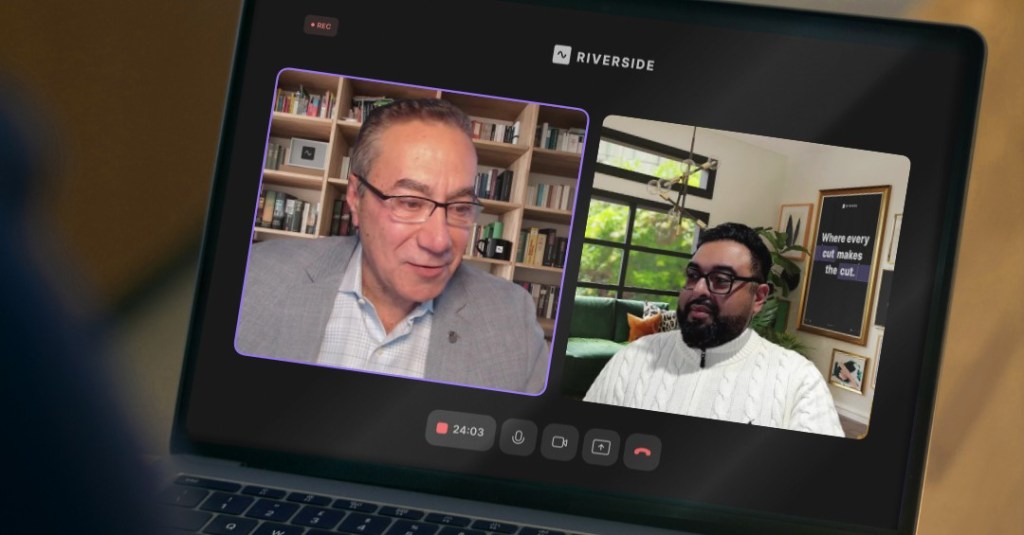
Atif Malik:
Thanks, Robin! It’s a pleasure to join you. My name is Atif Malik, and I’m the founder of Zarori, an AI startup based in Windsor, Ontario. Zarori was recently recognized as one of Canada’s top 100 AI startups. While we primarily focus on healthcare, our technology has applications across multiple sectors. Currently, we’re working with hospital networks in the US, addressing how AI can improve MedTech processes, optimize healthcare systems, and enhance outcomes. Our goal is to create meaningful solutions through collaboration with academia, startups, and the MedTech industry.
Robin Ayoub:
That’s incredible! It’s refreshing to see the impact of Canadian innovation. Speaking of challenges, many Canadian startups find it difficult to scale locally and often look south to the US for growth. Why do you think that is?

Atif Malik:
You’re absolutely right, Robin. Many startups, including Zarori, rely on the US market for expansion. While Canada excels in R&D and innovation clusters, like those funded by Vector AI and Mila, we face a smaller, more cautious market at home. Canadian buyers tend to test the waters before diving in, whereas US buyers are more willing to take risks, which creates opportunities for innovation. The sheer size of the US market and its openness to new technologies make it an obvious choice for scaling. Canadian startups often find themselves needing to prove their success in the US before gaining traction at home.
Robin Ayoub:
That’s an important point. Let’s talk more about your work in healthcare. Can you share insights into how AI is being deployed in MedTech and what challenges you’re addressing?
Atif Malik:
AI in healthcare is transformative. In Canada, we’ve built innovation clusters that encourage collaboration between startups, hospitals, and academic institutions. At Zarori, we work on process optimization, service improvement, and AI-driven decision-making tools. One major challenge is data privacy. Healthcare data is sensitive, and deploying AI requires adherence to strict regulations. To address this, we deploy AI solutions behind hospital firewalls, ensuring data security and compliance.
Robin Ayoub:
Deploying AI behind a firewall sounds innovative. What are the pros and cons of this approach?
Atif Malik:
The biggest advantage is security. Keeping data within the hospital’s firewall ensures compliance with privacy regulations and mitigates risk. However, it limits the AI model’s ability to access external data sources, which can be a drawback when additional insights are needed. But for healthcare applications, this tradeoff is necessary. Our approach also involves gaining proper consents and working with adoption committees to ensure minimal risk.
Robin Ayoub:
AI often sparks concerns about job loss. What’s your take on this?
Atif Malik:
It’s a valid concern, but we’re not at a stage where AI is replacing jobs on a large scale. Instead, AI is enhancing efficiency, allowing professionals to focus on higher-value tasks. It’s important to see AI as a tool that complements human expertise rather than replacing it.
Robin Ayoub:
Let’s talk about data, the backbone of AI. What challenges do you face with data quality and management?
Atif Malik:
Data is critical to AI, but it’s often suboptimal when we begin working with it. Cleaning and organizing data are essential steps. We also ensure data security and comply with regulations by working behind firewalls or using ETLs (Extract, Transform, Load) to centralize data for optimal model performance. Garbage in, garbage out—so ensuring high-quality data is a top priority.
Robin Ayoub:
Zarori is doing amazing work. What’s next for you and your team?
Atif Malik:
We’re expanding in the US and exploring opportunities in sectors like manufacturing, agriculture, and construction. Collaboration is our focus for the coming year—whether partnering with startups, academia, or industry leaders. The US healthcare system remains a key market, but we’re also looking at international markets, including the Middle East and North Africa.
Robin Ayoub:
What role does the government play in supporting AI innovation in Canada?
Atif Malik:
The Canadian government has invested significantly in AI, funding clusters like AMII in Edmonton, Vector AI in Ontario, and Mila in Quebec. These clusters facilitate collaboration between startups, academia, and industry. Grants and tax credits further lower the barrier to entry for AI adoption. However, Canada must balance its leadership in R&D with improving adoption rates to avoid losing innovation to other markets.
Robin Ayoub:
You’ve touched on many critical points. As we wrap up, what advice would you give to aspiring AI entrepreneurs?
Atif Malik:
Don’t hesitate to dive into AI. The tools and support available today make it an opportune time to start. Collaborate with academic institutions and industry leaders, and focus on understanding your clients’ needs to create meaningful solutions. Also, keep an eye on global opportunities and challenges like tariffs, which can shape the future of your business.
Robin Ayoub:
Thank you so much for joining me today, Atif. To our audience, if you’d like to learn more about Zarori, check out their website or connect with Atif on LinkedIn.
Robin Ayoub:
Before we sign off, I want to take a moment to wish everyone a joyous holiday season. May your days be filled with peace, happiness, and success. Thank you for supporting the Localization Fireside Chat. Please follow us on social media, connect with me and Atif on LinkedIn, and share this episode with anyone who might find it valuable. Together, let’s keep building this incredible community. Happy holidays, and we’ll see you next time!
Atif Malik:
Thank you, Robin. It’s been an honor to share Zarori’s story and contribute to such a great conversation.
Until next time this is Robin Ayoub signing off

 Robin Ayoub
Leave a comment