

Here is a summary discussion from our LFC episode 95 recording
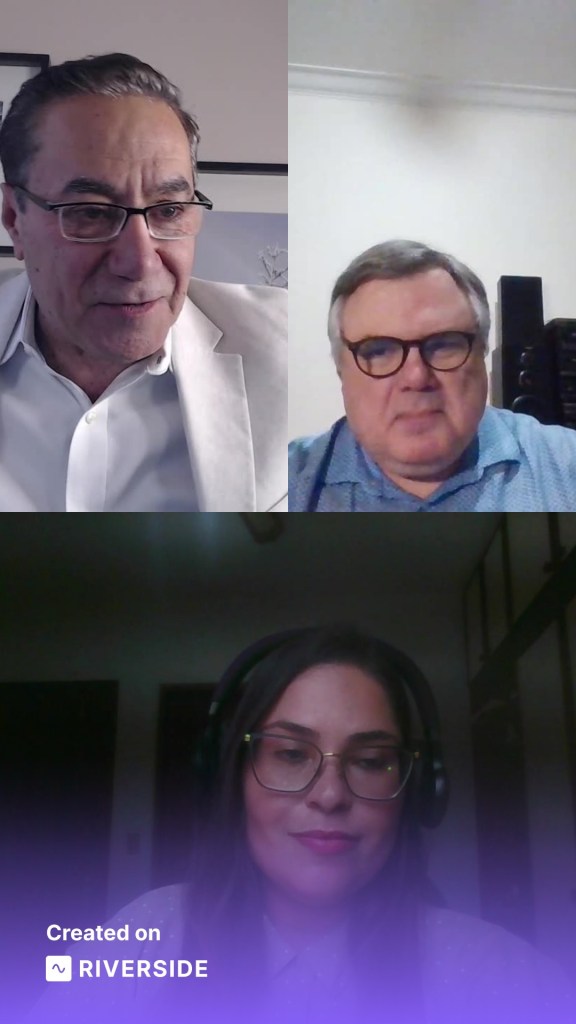
Localization is a rapidly evolving field, and understanding the client’s perspective is essential for its future. In this compelling interview, Robin Ayoub hosts Cintia Kanowitz, Globalization Manager at Bold.com, and Bruno Herrmann, a seasoned globalization expert and former client-side leader at Nielsen. Together, they discuss industry transformations, the role of AI, and how localization can deliver greater value.
Introduction
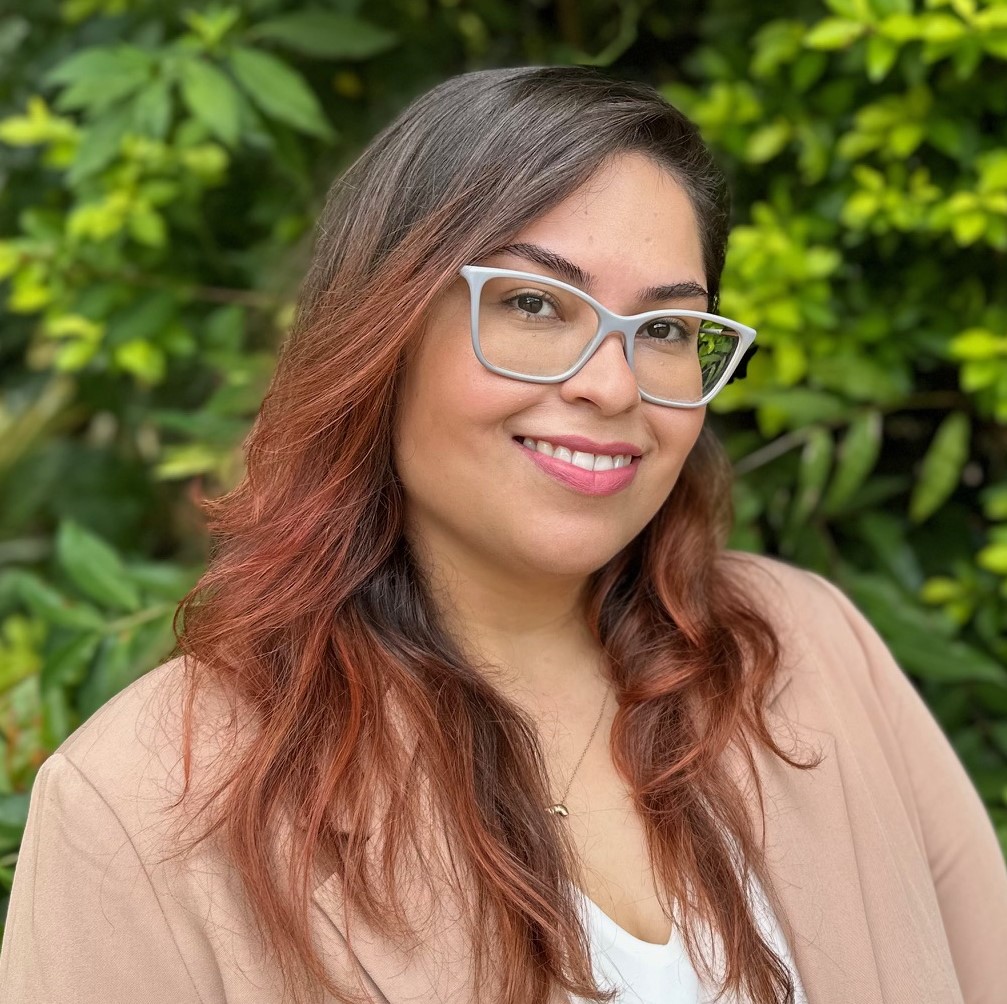
Cintia Kanowitz: Thank you, Robin. It’s a pleasure to join you and Bruno today. I manage globalization at Bold.com, where we focus on resumes and cover letters in multiple languages. I’m excited to share insights from my experience.
Bruno Herrmann: Thanks, Robin. I’ve spent over 30 years in globalization, working for multinationals like Nielsen and IQVIA. It’s always a pleasure to discuss how our industry is changing.
AI and Localization: A Tool, Not a Threat

Robin Ayoub: Cintia, how is AI impacting your work at Bold.com? Is it a challenge or an opportunity?
Cintia Kanowitz: AI is a powerful tool, not a threat. It helps us increase productivity, improve quality, and differentiate our services. For instance, AI enables faster workflows, allowing us to tackle more projects. While some fear it’s replacing jobs, I see it as a means to open new markets and create opportunities.
Robin Ayoub: Bruno, does this align with your experience on the client side?
Bruno Herrmann: Absolutely. AI is driving change—or transformation, as I prefer to call it. At Nielsen, we managed language data to support business intelligence, which laid the groundwork for AI integration. It’s all about connecting the dots between people, processes, and tools. AI enhances these connections, making localization more strategic.
The Client’s Role in Shaping Localization
Robin Ayoub: How has the role of localization shifted in companies?
Cintia Kanowitz: Localization is no longer an afterthought. It’s becoming integral to strategy. At Bold.com, we’ve moved beyond tracking word counts. Now, we measure how localization impacts user satisfaction, conversion rates, and overall value.
Bruno Herrmann: I agree. Clients expect more than just delivery—they want measurable outcomes. During my time at Nielsen, I advocated for elevating localization teams, integrating them into broader business strategies, and proving their impact on the bottom line. Vanity metrics like word counts don’t impress anymore; clients want to see tangible results.
Data as the New Currency
Robin Ayoub: What role does data play in localization today?
Bruno Herrmann: Data is the new gold. Companies must manage it securely and strategically. For instance, Reddit monetized its data by partnering with Google to train language models. This highlights the potential of turning static content into valuable assets.
Cintia Kanowitz: At Bold.com, we use data for optimization and testing. Synthetic data helps us run experiments without relying on sensitive user information. It’s crucial to align data strategies with ethical and security standards.
The Future of Localization
Robin Ayoub: What’s next for the localization industry?
Bruno Herrmann: Traditional language services are fading. The future lies in content and data services. Clients need partners who can manage multilingual assets, create prompts for AI, and integrate seamlessly into their workflows. This evolution demands collaboration and innovation.
Cintia Kanowitz: I see localization becoming more embedded in product development. It’s about showing value, proving ROI, and staying aligned with business goals. The shift is already happening, and it’s an exciting time to be in this field.
Closing Thoughts
Robin Ayoub: Thank you both for sharing such valuable insights. Cintia and Bruno, it’s been a pleasure to have you on the Localization Fireside Chat.
Cintia Kanowitz: Thank you, Robin. It was wonderful to join you and Bruno for this discussion.
Bruno Herrmann: Thanks, Robin. It’s always a privilege to share perspectives and learn from others.
For more engaging conversations, subscribe to the Localization Fireside Chat and join the discussion. Let’s continue shaping the future of localization together.
This blog post is based on an interview with Cintia Kanowitz and Bruno Herrmann, originally recorded on January 13, 2025.
Until next time this is Robin Ayoub Signing off!

 Robin Ayoub
Leave a comment