Why a Book Is the Number One Marketing Tool for Consultants
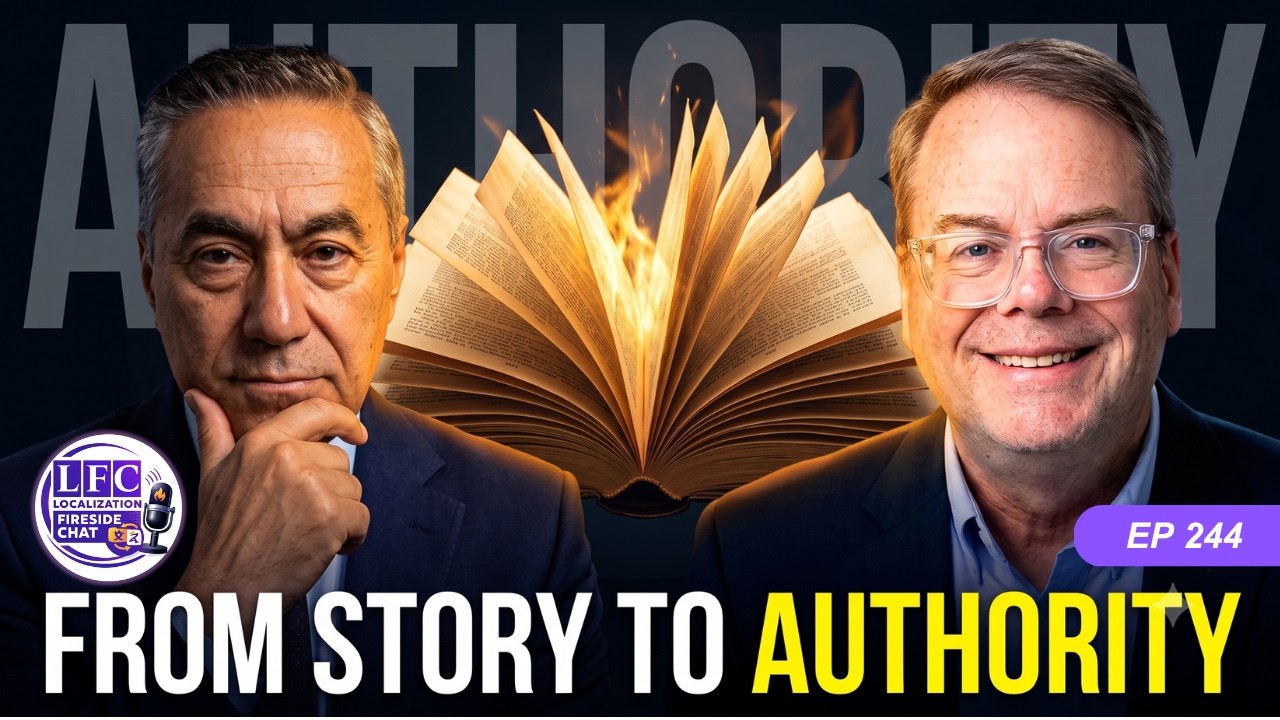
Henry DeVries did not set out to become a book publisher. He was a dean at UC San Diego with a side hustle ghostwriting for executives, and when the side hustle started outgrowing the day job, he made his choice. That origin story matters because it explains exactly who Indie Books International serves: consultants, professional service firms, and anyone whose business runs on selling expertise. Henry’s argument is simple and backed by a decade of research. A book is the number one marketing tool for this category of professional. Not because people will read it and immediately write a check, but because it positions the author as the authority in the room before they ever walk into it. As he put it on the podcast, you cannot spell the word authority without the word author.
The model Henry teaches is built around a specific logic. You identify a target-rich audience, research the biggest problems they face that you already know how to solve, and then generously share your general approach in a book. Readers who find value will hire you for the specific application of that knowledge to their situation. He shared a vivid example of a client whose book sold for twenty-five dollars while companies like Merck were paying five thousand dollars for the consulting engagement. The book did not replace the service. It made the service feel necessary.
The Eight Stories Every Business Book Needs
One of the most practical frameworks Henry shared is his eight-story model, drawn from the research of author Christopher Booker and stress-tested against decades of business writing. Every compelling business book anchors itself to one of eight narrative structures: the monster problem, the underdog or rags-to-riches story, the comedy solution, the tragedy or cautionary tale, the mystery, the quest, the comeback and redemption arc, and the escape from a situation gone wrong. For consultants specifically, Henry tends to steer clients toward the mystery format, where specialized knowledge that feels routine to the expert reads as a genuine revelation to the audience.
He is equally direct about what does not work. AI-generated content, which he memorably described as having a drunk uncle quality, produces what he calls AI slop. Readers can tell the difference between a book built on real stories and one assembled from generic content. The storytelling framework matters because human brains are hardwired for narrative. Facts and frameworks get forgotten within thirty days. Stories do not. He also made a point that catches most first-time business authors off guard: you are not the hero of your own book. The client is the hero. You are the mentor, the Yoda figure who equipped the hero to defeat the nemesis. Getting that structure right is what makes a business book feel generous rather than self-promotional.
Publishing Is the Starting Line, Not the Finish Line
Henry is clear that writing the book is only half the work. The promotional phase is where most authors stall, and his prescription is consistent and specific. He recommends a minimum of two speeches or podcast appearances per month to a target-rich audience and sending twenty physical copies of the book each month to people who can book you, hire you, or refer you. The authors in the Indie Books family who have credited him with generating an extra million dollars in revenue did not get there by listing the book on Amazon and waiting. They treated the book as the center of a content and speaking ecosystem.
He also addressed the shelf life question directly. If your book was published before the pandemic, he considers it expired. The world changed in ways that make pre-2020 business frameworks feel dated, and coming out with a new book every one to two years is how you signal to your market that your thinking has kept pace. The goal is not a single landmark title. It is becoming a recognized authority in a defined space over time, and that requires a body of work.
Robin also shared that he is working on his own memoir about growing up in the Lebanese Civil War and building a career in Canada after escaping the conflict. Henry identified it immediately as a comeback and redemption story, the Phoenix rising archetype, and encouraged him to finish it. That exchange was a good reminder that the principles Henry teaches apply well beyond the business genre.
If this conversation sparked something for you, whether you have been sitting on a book idea for years or are actively looking for a way to stand out in a competitive market, the full episode is worth your time. Watch on YouTube or Listen on Simplecast and hear Henry break down the complete system in his own words.


Leave a Reply