When HR Gets Treated Like a Compliance Checkbox
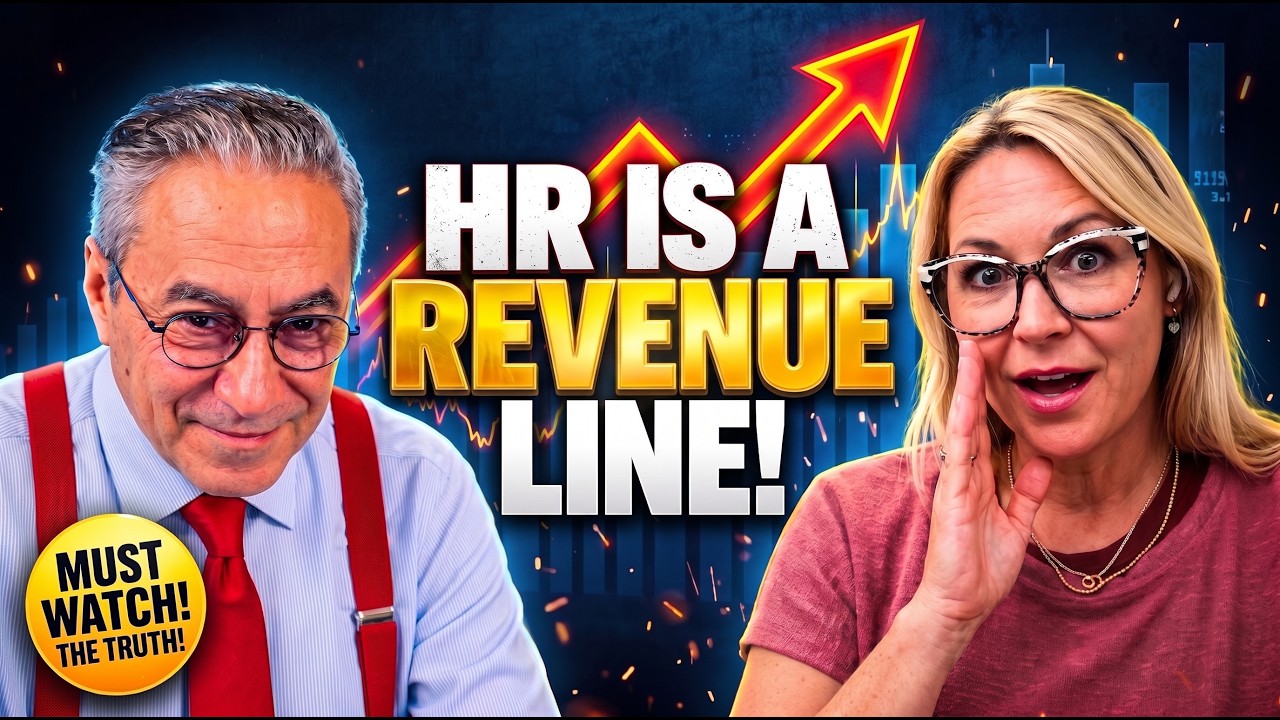
Most companies treat HR like something they are legally required to have, not something that actually drives results. Kelly Price has spent her career inside that contradiction, and Episode 291 of the Localization Fireside Chat is her case for why that has to change. Kelly co-founded ThriveHR in 2022 and just launched Thrive Leadership Partners, an expansion built around a single observation she kept running into across industries from healthcare to banking to propane: the companies that struggled were not struggling because they lacked talent. They were struggling because HR strategy, business operations, and incentive structures were never pointed in the same direction. As she put it during the conversation, a company is not going to fail because it does not have an HR department. It is going to fail because those three things are not aligned and rowing together. That framing alone reframes the entire conversation about what HR is actually for.
The Onboarding Problem Nobody Takes Seriously Enough
Kelly’s most actionable moment in the episode comes when Robin asks what a growing company could do right now to improve its people operations. Her answer is immediate: build an onboarding plan. Not an orientation packet, not a first-day lunch, but a structured thirty, sixty, ninety day framework that sets clear expectations, gives people honest feedback on how they are doing, and connects individual roles to the goals of the organization. She traces this back to her time at Marriott, where expectations were never ambiguous, and contrasts it with what she sees constantly in small and mid-sized businesses: managers silently frustrated with employees who have no idea anything is wrong, because no one ever told them. The result is eventual termination that feels sudden and unfair to the person being let go, and a culture where no one feels safe admitting they do not know something. Kelly’s argument is that psychological safety starts on day one, and if leadership does not model it, no onboarding program will fix what comes after.
Leaving Corporate to Lead Your Own Thing
One of the most personally resonant exchanges in this episode happens when Kelly describes the moment she turned down a chief people officer role with a significant salary to stay on her own. A trusted colleague asked her to write down the three most important things in her life. She wrote time, family, and health. The colleague told her that if she was willing to trade all three, she should take the job. She did not take the job. That was five years ago. Robin connects this directly to his own departure from corporate life in November, and the conversation becomes something more than a business discussion. Both of them describe the physical and emotional cost of working inside structures that did not fit, and both arrive at the same conclusion: no amount of prestige or compensation replaces the ability to define your own value and hold to it. Kelly is careful to say that corporate life works for many people, but for those who have found a different way, she encourages them to write down what they would actually be trading before they go back.
Kelly also draws a sharp distinction between what she does and what a fractional placement looks like. Her firm comes in, runs a comprehensive audit across people strategy, compliance, benefits, compensation, operations, and AI tools, delivers a full report, and then offers to execute on it. Every client they have pitched has converted, for the simple reason that if they already knew how to do it, they would have done it already. Engagements run anywhere from six months to three years, and retainer support is available after that for organizations that have reached stability. It is a model built for companies that are stuck and know it, not for companies that want someone to manage the status quo.
If this episode landed for you, you can Watch on YouTube or Listen on Simplecast and take in the full conversation at your own pace. You can also get the free LFC app on the App Store or Google Play and carry every episode with you, even with your screen locked.


Leave a Reply