The Community That Cannot Be Gamed
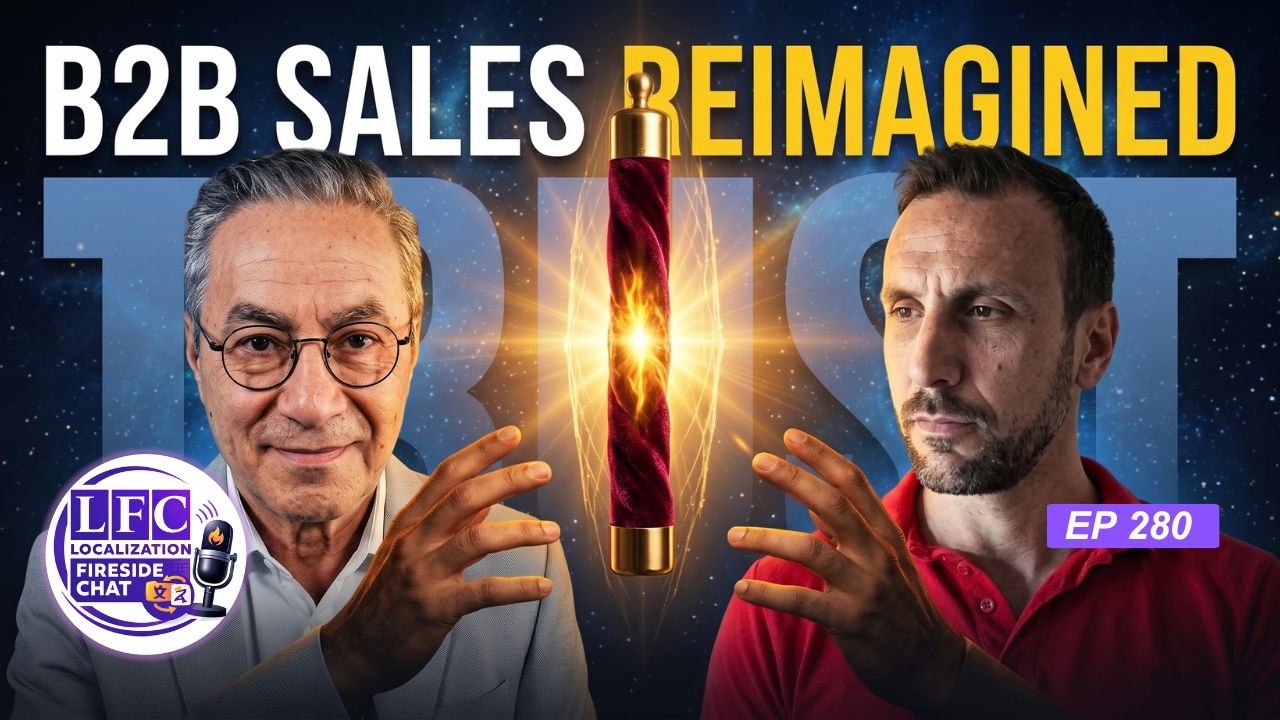
Sammy Gebele did not set out to build a sales infrastructure. He set out to solve a loneliness problem. As he explained to Robin on episode 280, it started when his friends who had made partner at consulting firms suddenly had revenue targets and no one to talk to about them honestly. Sammy pulled them into a room, let them share their challenges, and watched something happen that no cold email or LinkedIn sequence had ever produced: genuine trust between peers. That first informal gathering in Munich became the seed of SAWOO, now operating invite-only executive communities across 17 cities and six countries, entirely bootstrapped, with no venture capital and no growth-hacking playbook. The name itself came from a leftover domain Sammy had registered for a completely different product idea involving a bicycle trainer. The business, like the name, arrived sideways and stayed because it worked.
The model sits on one rule that most B2B companies find genuinely uncomfortable. There is no pitch in the room. A sponsoring company pays for a seat at the table, introduces itself for one or two minutes at the start of the evening, and then steps back. The rest of the event runs under the Chatham House Rule, meaning participants can take the lessons home but cannot attribute specific stories or struggles to names or companies. Sammy was direct with Robin about why that tension is not actually a contradiction. When executives feel safe enough to name their real challenges, the sponsoring company in the room learns more about buyer pain in a single evening than a year of discovery calls could surface. The no-pitch rule is not a sacrifice the sponsor makes. It is the mechanism that makes the access worth paying for. Ten to thirty percent of attendees typically request a follow-up conversation, and when that number climbs higher than expected, Sammy said, something is usually broken, either the wrong people are in the room or the sponsor has found a way to undermine the environment.
City by City, the Playbook That Travels
Robin pushed on what most skeptics would call the obvious weak point: physical, city-by-city community building is expensive and operationally heavy. Sammy’s answer was that the model does not require SAWOO to absorb all the capital risk. Communities are seeded with real members before sponsors are ever brought in. Once the attendee base is credible and the format is proven, sponsors come because the alternative, trying to cold-reach a Chief Procurement Officer or a Chief Information Security Officer through conventional outreach, simply does not work. Those executives, as Sammy noted, are often invisible on LinkedIn and do not open cold emails. The only way in is through someone they already trust, which is exactly what SAWOO’s ambassador model provides. Ambassadors are members who love what the community does for them and invite their own peers because it reflects well on them, not because SAWOO asked them to fill seats.
Robin brought his own experience into the conversation here, recalling the power-based selling training he received in the telecom industry, where the discipline was to know the prospect’s spend, their current provider, and their pain before walking through the door. Sammy’s model extends that logic by removing the adversarial frame entirely. The intelligence gathering happens in a shared room where everyone benefits, and the sponsor leaves knowing exactly where buyer attention is focused because they sat inside the conversation rather than chasing it from outside.
The Honest Qualifier and the Long Game
One of the sharpest exchanges in the episode came when Robin asked who should not use community-led access. Sammy was clear. If your average contract value starts below eighty thousand euros, the overhead of building genuine executive relationships does not justify the investment. This is a model for companies selling large-ticket, long-cycle B2B contracts where a single relationship can be worth a year of revenue. He also drew a hard line on timeline. Sponsors who come in expecting a signed contract within weeks get a candid conversation and, if they persist, a referral elsewhere. SAWOO has turned away business rather than let a misaligned sponsor degrade the environment that every other member depends on.
Robin connected this directly to the localization and language technology sector, where companies have historically undersold at the departmental level when the real consolidation decision sits with a CMO, a Chief Revenue Officer, or General Counsel controlling a seven-figure translation spend. Sammy’s response was immediate: if that is the persona, the playbook exists and the community format can be built around them. The insight Robin added from his own years in the industry is that translation has always been purchased as an operational commodity when it is actually a risk management decision, and the executives who understand that risk are precisely the ones sitting in rooms like the ones SAWOO builds.
This episode is worth your full attention if you are responsible for revenue in any B2B company that sells to senior buyers and keeps wondering why the pipeline looks busy but the close rate stays flat. Watch the full conversation on YouTube or take it with you on your commute and listen on Simplecast where you can find every episode covering community-led growth, B2B sales, peer networks, executive access, bootstrapped startup strategy, trust-based selling, no-pitch sales, the localization industry, senior executives, and go-to-market thinking that holds up in the real world.


Leave a Reply