A Messy Start and a Mentor Who Changed Everything
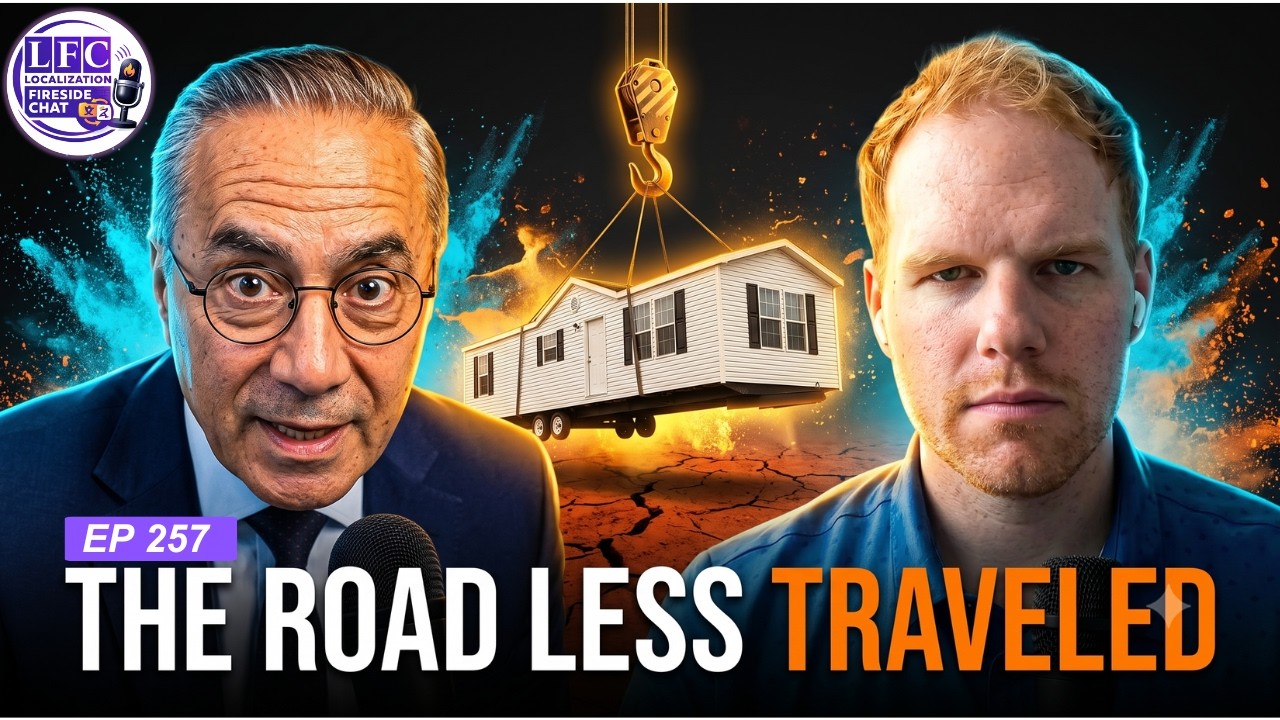
Chris Gavre turned 28 two days before this conversation, but his story starts at 19, when a drug arrest in Atlanta prompted his mother to move him to Greenville, South Carolina and give him a chance to reset. He landed in her basement with no plan, found a podcast called the Sweaty Startup, and rented a pressure washer to see what would happen. What happened was a Chamber of Commerce meeting, a real estate agent named Jim who started hiring him to wash properties, and a slow-building mentorship that planted the seed for everything that followed. Jim never set out to be a mentor. He just invited Chris to walk through flip projects, explained the numbers, and gave him a sounding board. That was enough. By 2020, Chris had his real estate license. Within a few months, he realized retail was the wrong game after a buyer on his very first transaction turned around and wholesaled the property for twenty thousand dollars while Chris had earned nine hundred. That moment sent him down a completely different road, and he has not looked back.
Choosing Predictability Over Prestige
There is a throughline in Chris Gavre’s career that is easy to miss if you only look at the asset classes. He did wholesaling, then flipping, then rentals, then apartment complexes, then mobile home parks, and eventually landed on the land home package model he and his partner Robert now run at scale through Highcastle Properties. Each pivot was not really about chasing a trend. It was about choosing predictability over prestige. Flipping houses, Chris explained, was never what you thought it would be. You budget for six months and it takes a year. You plan for fifty thousand in profit and somehow lose twenty. The subfloor is rotted. The electrical needs a full rewire. There is always a surprise. When Robert introduced the idea of ordering brand new manufactured homes directly from the factory and placing them on raw land, the appeal was not glamour. It was consistency. The house is the same every time. It has already passed multiple factory inspections before it ever leaves the plant. There are no hidden surprises waiting inside the walls. The process is repeatable, the margins are knowable, and the whole project from land purchase to listing typically takes about two months. In a business where most people are chasing the next flip or the next apartment complex, that kind of boring reliability turns out to be a genuine competitive advantage.
The Affordable Housing Angle That Makes the Numbers Work
What makes this model particularly compelling is where it sits in the market. The median home sale price in the Greenville, South Carolina metro sits around four hundred and fifty thousand dollars. Chris and Robert are selling finished land home packages at around two hundred and thirty thousand, roughly half the median. At that price point, they qualify buyers for FHA financing, which means a buyer only needs three percent down. The demand is not manufactured. It is structural. When Robin asked whether these homes appreciate over time, Chris was direct: a rising tide raises all ships, and once the home is permanently affixed to land and the title is retired, it behaves like any other real estate. The units they are selling now for two thirty were selling a decade ago for one twenty. The stigma around mobile homes is real, and Chris does not pretend otherwise. Lenders pushed back when he first tried to finance these projects. But he and Robert proved the concept on one deal, the lender stayed, and the financing ecosystem around this niche has grown meaningfully in the three and a half years since they started. Being known as the mobile home guys in their market has become an asset in itself. Deals come to them that never get listed publicly, simply because they are the first people other investors think of when a piece of land or a mobile home opportunity surfaces.
If you have ever written off an opportunity because it did not sound impressive enough to say out loud at a dinner party, this episode is worth your full attention. Chris Gavre built something real by consistently choosing the road that other people were avoiding, and the conversation with Robin gets into the actual mechanics of how he did it, deal by deal. You can Watch on YouTube or Listen on Simplecast, whichever format fits how you consume your best thinking time.


Leave a Reply